
Is Lobster an Aphrodisiac? The History & Science-Backed Truth
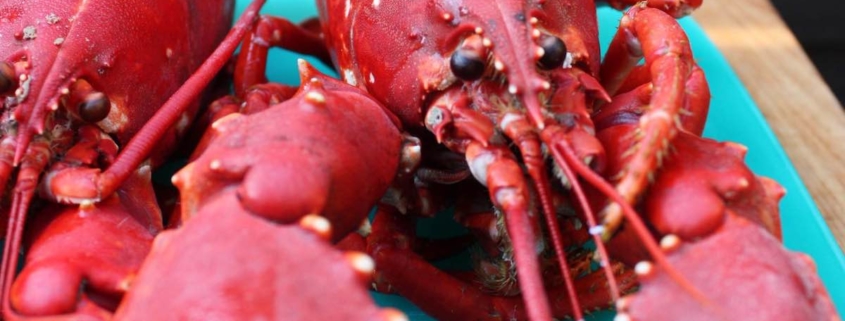
Is lobster the ultimate food of seduction? With its decadent texture, luxurious reputation and surprising nutritional profile, lobster has long been linked to romance and even arousal. Some historians have dubbed Maine lobster America’s aphrodisiac. But this indulgent seafood offers more than just an excuse to impress your date. From ancient mythology to modern science, lobster has earned its place as a dish made for pleasure.
What makes Maine lobster an aphrodisiac?
First, what exactly is Maine lobster?: When we talk about lobster as a love food, we’re usually referring to Maine lobster—the cold-water variety known for its sweet, tender flesh and large, meaty claws. This species, technically called Homarus americanus, is the lobster most commonly served in North America and the one most often associated with indulgence.
The psychology of seduction: Some experts in psychology say that what we call aphrodisiac foods often owe their power to context and suggestion. And few foods are more suggestive than lobster. It’s not just about the flavor, though that certainly doesn’t hurt. It’s about the setting, the presentation, the decadence of cracking into a shell and dipping that rich, tender flesh into warm, drawn butter.
You don’t serve this aphrodisiac seafood in a rush. You linger over it. You savor it. You use your fingers. That’s sensual by design.
A history of indulgence: Lobster’s reputation as a natural aphrodisiac isn’t built on ancient medicine. It’s built on luxury. For generations, it’s been the meal you splurge on for birthdays, anniversaries, and date nights meant to leave an impression. When you serve someone lobster, you’re not just feeding them. You’re seducing them.
Nowhere was that more obvious than in the lobster palaces of early 20th-century New York. These grand, glittering restaurants of the 1910s and 1920s catered to high society, artists, and pleasure seekers who dressed to the nines and dined late into the night. Lobster was the centerpiece of the spectacle—a symbol of wealth, indulgence, and sensual escape. If you were out to impress or seduce, you ordered lobster. And everyone knew exactly what that meant.
Ties to the goddess of love: Like all oceanic aphrodisiacs, lobster also has ties to mythology. The ancient Greeks believed that Aphrodite, the goddess of love, was born from the sea, and that the creatures of the ocean were her tools of seduction. Whether or not she ever cracked a claw, the lore lives on.
Lobster’s nutritional benefits for sexual health
Lobster may be considered a luxury indulgence, but beneath the butter and romance, according to the nutritional data provided by the US Department of Agriculture, the nutritional benefits of lobster support key systems involved in sexual function and fertility.
A 3-ounce serving of lobster provides about 25% of the daily value (DV) for zinc, a mineral essential for immune health and reproductive hormone regulation. Zinc deficiency has been linked to decreased testosterone levels and impaired sperm quality, which is one reason zinc-rich seafood is considered a good choice for boosting the sex lives of men.
That same size serving offers over 62 mcg of selenium. This mineral is associated with regulating thyroid function. Healthy thyroid hormone levels are tied to metabolism and reproductive health. Some studies suggest selenium may support sperm motility and overall fertility, though more research is needed.
You’ll also get about half of your daily intake for vitamin B12, a nutrient involved in nerve function and energy production. While it’s not directly tied to libido, B12 may help counter the fatigue and neurological symptoms that can interfere with desire and sexual response in those who have a vitamin deficiency.
Lobster also contains small amounts of iodine, a mineral needed for proper thyroid function. Iodine deficiency has been linked to fertility issues in both men and women, making this trace mineral an important—if often overlooked—part of a sexually supportive diet.
Additional nutrients in lobster include vitamin E, copper, phosphorus, iron, calcium, and omega-3 fatty acids. These nutrients help support everything from circulation and mood to bone health and stamina, though their impact on sexual health is likely indirect.
And finally, there’s the protein. With about 19 grams of protein and less than 1 gram of fat per 3-ounce serving, lobster is one of the leanest animal proteins available. It’s a clean source of energy that fuels the body without weighing it down—ideal for when you want to feel light, energized, and ready for anything.
Even back in 1968, Dr. George Belham knew lobster had its place in a libido-supportive lifestyle. His guide to living like a lothario, The Virility Diet: A Famous Doctor’s Advice on How to Remain Sexually Active Throughout Your Adult Life, recommended the crustacean for a healthy diet. While his Virility Diet may have lacked today’s nutritional data, his instincts about this crustacean weren’t far off.
Lobster & sex FAQ
Is it high in calories?
Because it tastes and feels decadent, many seafood lovers worry about the calories in lobster. But lobster is, in fact, a fairly low-calorie form of protein. According to consumer reports, a 3-ounce serving of lobster contains about 76 calories. That’s a lot less per ounce than most popular proteins!
RELATED: A great recipe for lobster stew
Is the cholesterol in lobster bad for sexual health?
Lobster is relatively high in cholesterol—about 212 milligrams per cup—but because it’s low in saturated fat, its impact on heart and sexual health may be minimal for most people. Since lobster is typically enjoyed occasionally, experts generally don’t see it as a concern for healthy adults.
What about spiny lobster?
The spiny lobster of tropical waters is not truly a lobster but shares many attributes with its cousin from Maine, including an image as a potent aphrodisiac. On Ambergris Caye, Belize, a dish called Lobster Chechak is considered the local love food of choice. And several recipes throughout the Bahamas promote the spiny shellfish as an opulent aphrodisiac.
Recipes & serving suggestions
If you want to reap the lobster nutrition benefits along with the aphrodisiac benefits of this indulgence of the sea for your romantic seafood dinners, I believe that serving it simply, steamed and straight out of the shell is the way to go. (You might want to add a side of drawn butter to lick from your lover’s fingers.)
But if you want to get a little more adventurous, I invite you to try my version of a lobster roll, which isn’t actually a roll at all. My riff on this New England tradition is served on multigrain bread and topped with the crunch of kettle-cooked potato chips.
Discover more of the world’s greatest aphrodisiac foods
 This article was written in 2010 and most recently updated with additional nutrition information, updated links and a revised disclaimer in April 2025.
Disclaimer: This article is for informational purposes only and may not be the best fit for you and your personal situation. It should not be construed as medical advice. The information and education provided here are not intended or implied to supplement or replace professional medical treatment, advice, and/or diagnosis. Always check with your own physician or medical professional. More information

Amy is considered a leading authority on aphrodisiacs. Her work in aphrodisiacs is quoted in publications including National Geographic, The New York Times, Epicurious, Wine Enthusiast, Health and Playboy magazines. She speaks internationally on aphrodisiac foods and has brought her knowledge of aphrodisiac history and science to national television shows including The Today Show and CBS Early Show. She is a frequent guest on relationship and lifestyle radio and podcast shows and has been interviewed by BBC and NPR radio, Cosmopolitan radio and popular podcasts including My Dad Wrote a Porno.
Amy is also a freelance food, wine and health researcher and writer as well as a wine competition judge. Her work has appeared in publications ranging from Variety to The Daily Meal. She is an MSN content provider. And she is also a former wine editor for Gayot.com and wine & spirits editor of Las Vegas magazine.
Fun fact: Amy was the creator of the first ever comprehensive food and wine apps, Amy Reiley's Pocket Gourmet and Amy Reiley's Pocket Vineyard for Palm.
- Champagne Might Get You Drunk Faster - October 23, 2026
- 15 Minute Shaved Fennel Citrus Salad - October 19, 2026
- 4 Foods That Decrease Libido and Kill a Romantic Evening - October 17, 2026

Leave a Reply
Want to join the discussion?Feel free to contribute!