
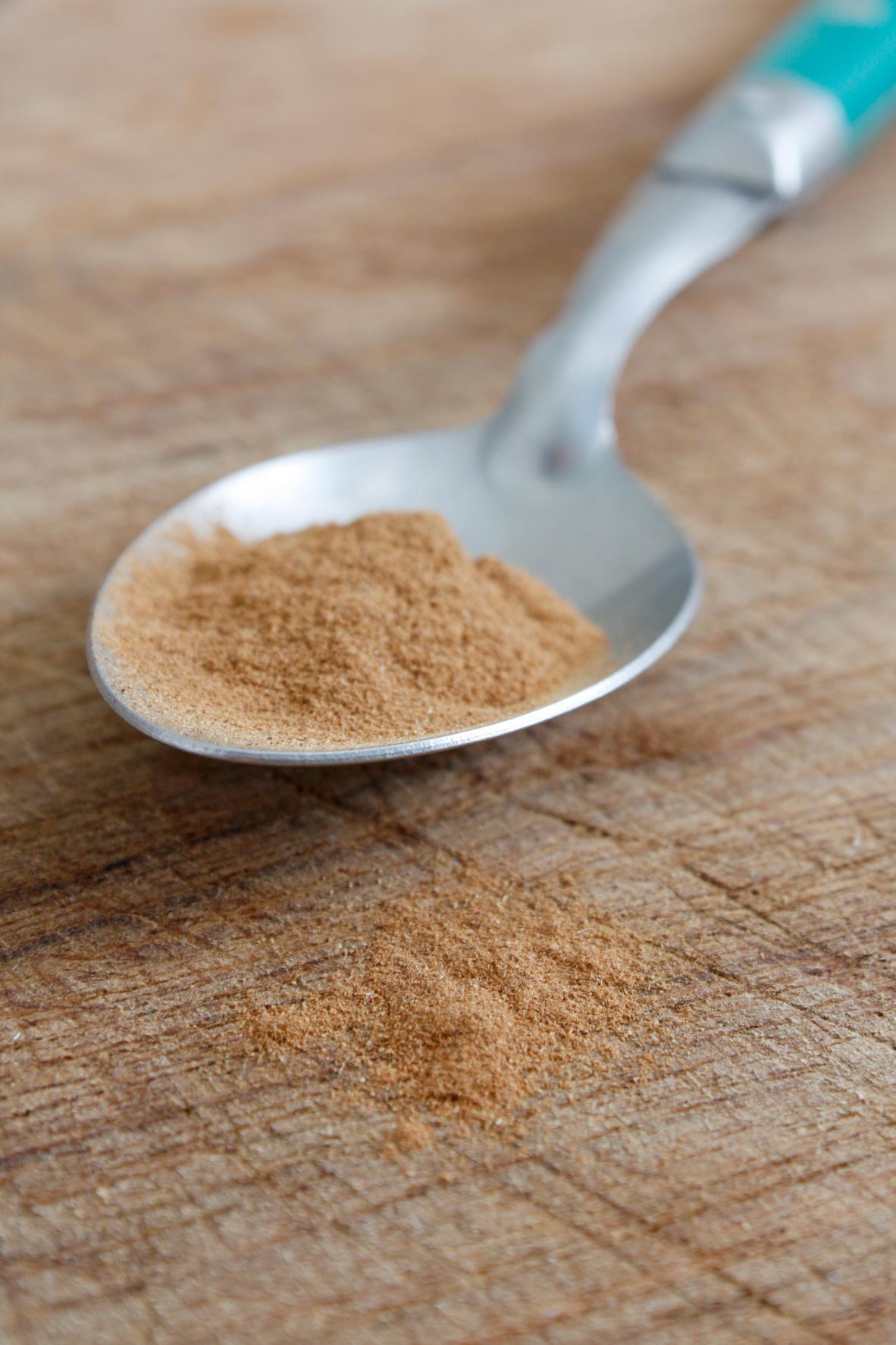
Does Pumpkin Pie Spice Have the Scent of Seduction?
There is more to pumpkin pie spice than making your kitchen smell like Thanksgiving. Decades ago, a Chicago neurologist investigating the relationship between scent and human arousal made a surprising discovery involving two familiar aromas: pumpkin pie and lavender. His findings were intriguing, although the small study came with some important limitations.
Is the scent of pumpkin pie spice arousing to men?
Hirsch’s experiment involved 31 men between the ages of 18 and 64. Researchers exposed the participants to 30 different scents while measuring changes in penile blood flow. The combination of pumpkin pie and lavender produced the largest reported response, a 40% increase in median blood flow. Pumpkin pie scent alone produced an 8.5% increase.
Other combinations also produced interesting results, including doughnut and black licorice, which came in second.
Before we declare pumpkin pie spice a bedroom essential, however, there are some important limitations. The experiment included only 31 men, measured a physiological response rather than subjective desire or attraction and tested the scent of pumpkin pie combined with lavender, not pumpkin pie spice as a culinary ingredient. The results cannot tell us whether women respond similarly.
It’s an intriguing finding, but hardly the final word on the relationship between scent and attraction. And it leaves an interesting question: what is it about the aromas of familiar spices and baked goods that can have such a powerful effect on us?
Can certain aromas influence sexual arousal?
Hirsch’s experiment may be decades old, but the connection between our sense of smell and human sexuality continues to attract scientific interest. A 2026 review published in Sexes, titled “The Multifaceted Role of Olfaction in Human Sexuality,” examines the growing body of research exploring how our sense of smell relates to sexual attraction, motivation and behavior.
Further evidence comes from a 2021 study published in The Journal of Sexual Medicine. Researchers studying 2,084 older adults found that people with impaired olfactory function reported lower sexual motivation. In other words, the ability to smell appears to be connected to sexual interest, adding support to the broader premise behind Hirsch’s experiment.
Neither study establishes that a particular food aroma can trigger arousal. But together, they make a compelling case that our sense of smell deserves a place in the conversation about attraction and desire. And that gives you a good excuse to have a little fun experimenting with the aromas you find appealing.
The aphrodisiac history of pumpkin pie spice
Even if you’re not convinced that the aroma of pumpkin pie can influence attraction, there’s another reason to look at this familiar spice blend with a little romantic curiosity. Cinnamon, ginger, nutmeg and cloves all have histories in traditional aphrodisiac lore. These spices were prized not only for their flavor but also for their aromatic qualities and their place in traditional medicine.
Cinnamon has a particularly colorful romantic history. The UCLA Biomedical Library’s historical collection traces its association with romance to ancient literature, including the Song of Solomon and Proverbs, where fragrant spices help set the scene for seduction. The Romans also embraced cinnamon as a symbol of affection. According to the collection, the word was used much like we use terms of endearment such as “sweetheart” today.
Ginger has its own long-standing reputation as a seductive spice. It was favored in Asian and Arabic herbal traditions, where it was associated with desire and sexual vitality. Its warming flavor and distinctive fragrance have made it a popular ingredient in romantic foods and drinks for centuries.
Nutmeg was also regarded as an aphrodisiac in traditional medicine. The spice appears among the ingredients associated with sexual desire in historical Arabic and Indian traditions. Its reputation was part of a much broader belief that aromatic, warming spices could stimulate the senses and encourage passion.
Cloves have their own romantic history. Their fragrant aroma was traditionally believed to enhance sexual feelings. They were also valued for freshening breath. A 1910 book on spice history recounts that Chinese court officials held cloves in their mouths before addressing the emperor so their breath would smell pleasant. It’s a useful reminder that a little attention to the details of romance has never gone out of fashion.
Of course, centuries of aphrodisiac lore don’t prove that these spices will spark desire. But they do give pumpkin pie spice a rather more interesting history than its association with holiday baking suggests. And if the warm fragrance of cinnamon, ginger, nutmeg and cloves makes your kitchen feel a little more inviting, there’s no reason not to enjoy it.
Discover more of the world’s greatest aphrodisiacs

Amy is considered a leading authority on aphrodisiacs. Her work in aphrodisiacs is quoted in publications including National Geographic, The New York Times, Epicurious, Wine Enthusiast, Health and Playboy magazines. She speaks internationally on aphrodisiac foods and has brought her knowledge of aphrodisiac history and science to national television shows including The Today Show and CBS Early Show. She is a frequent guest on relationship and lifestyle radio and podcast shows and has been interviewed by BBC and NPR radio, Cosmopolitan radio and popular podcasts including My Dad Wrote a Porno.
Amy is also a freelance food, wine and health researcher and writer as well as a wine competition judge. Her work has appeared in publications ranging from Variety to The Daily Meal. She is an MSN content provider. And she is also a former wine editor for Gayot.com and wine & spirits editor of Las Vegas magazine.
Fun fact: Amy was the creator of the first ever comprehensive food and wine apps, Amy Reiley's Pocket Gourmet and Amy Reiley's Pocket Vineyard for Palm.
- The Best Meatless Chili with Chocolate and Cinnamon - November 16, 2026
- The 5-Minute Pumpkin Spice Protein Shake That Tastes Like Pumpkin Pie - November 5, 2026
- What Does Pineapple Do for Men? (including pineapple juice) - November 4, 2026


Leave a Reply
Want to join the discussion?Feel free to contribute!