
Is Cacao an Aphrodisiac? Discover Cacao Benefits for Male & Female Sexual Health

Many chocolate lovers already know that cacao is the heart of every chocolate treat. But cacao is more than just flavor. It also contains compounds linked to mood, circulation and sexual health. From ancient ritual to modern research, cacao has a long reputation as a natural aphrodisiac for men and women. Here is how it works and how to use it.
What is cacao
 Cacao comes from the seeds of the Theobroma cacao tree, native to tropical regions of Central and South America. The tree thrives near the equator and is now grown in many tropical regions worldwide.
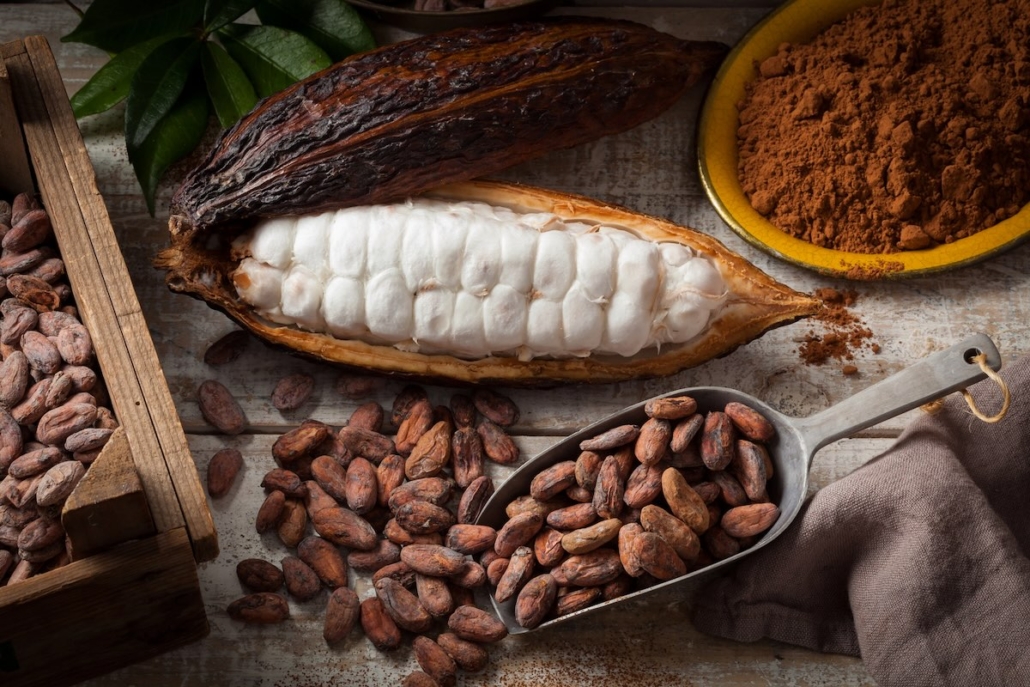
Cacao has been cultivated for thousands of years. Archaeological evidence shows it was first grown in Ecuador before spreading north to the Mayans of Central America. What we call cacao “beans” are actually the seeds of the fruit. The surrounding pulp is sweet and edible and can even be pressed into a refreshing juice.
Cacao vs cocoa
The words cacao and cocoa are often used interchangeably but they are not identical. Cacao usually refers to raw or minimally processed products made from fermented, dried, unroasted seeds. Cocoa typically means the beans were roasted and processed, which reduces some heat-sensitive nutrients.
For sex-focused benefits, choose minimally processed cacao or dark chocolate with a high cacao percentage so you preserve flavonoids and theobromine.
Why cacao is considered an aphrodisiac
Cacao’s aphrodisiac reputation mixes history and biochemistry. According to
Temptations: Igniting the Pleasure and Power of Aphrodisiacs, the Mayans used cacao as currency and valued it in ritual life. The Aztecs served frothy cacao drinks to rulers like Montezuma as a stimulant. By the 1600s, Europe associated eating chocolate with love and romance.
Thanks to modern science, we now understand that cacao contains compounds that can affect mood, blood flow and energy, which together can support desire and performance.
How cacao can support sexual health
Cacao contains several bioactive components that affect physiology and mood. Key players are flavonoids, magnesium, theobromine and PEA (phenylethylamine). Each contributes differently, so effects are cumulative rather than instant.
Flavonoids improve endothelial function and nitric oxide production, which widens blood vessels and increases blood flow, including to genital tissue. Better circulation supports arousal for men and women.
Magnesium supports nervous system balance, muscle relaxation and stress resilience. Less tension helps the body shift into receptivity.
PEA promotes dopamine and norepinephrine release, which boosts mood and attraction.
Theobromine is a mild stimulant that raises heart rate and energy without the jitter of coffee. It also shows anti-inflammatory and cardiovascular benefits in several studies.
Taken together, these compounds have potential to lower barriers to intimacy by improving circulation, easing stress and sharpening mood.
Why theobromine matters
The main active alkaloid in cacao is theobromine. It is chemically similar to caffeine but gentler in effect. Theobromine increases the heart’s pumping ability (cardiac output) and produces a mild stimulant effect in the nervous system. Together with PEA, theobromine can produce a subtle, pleasurable lift often mistaken for “romantic” effects.
Beyond stimulation, theobromine has been associated with reduced inflammation, improved lipid profiles and vascular benefits in preclinical and clinical studies. Those cardiovascular and anti-inflammatory actions indirectly support stamina and erectile function by preserving healthy blood flow.
Cacao benefits for male sexual health
Cacao has the potential to support male sexual function in several ways. Here’s a closer look at how cacao benefits males sexually:
circulation: flavonoids increase nitric oxide bioavailability and improve endothelial function. Better nitric oxide supports erection by relaxing vascular smooth muscle. Human trials of cocoa flavanols show improved flow-mediated dilation (a measure of endothelial function) and lower blood pressure.
A bite of chocolate will not cause immediate circulatory benefits or work like a magic pill to treat erectile dysfunction. These effects are cumulative and take time. However, according to recent findings, higher regular flavonoid intake is associated with 11-16% lower incidence of ED in men under 70.
inflammation: chronic low-grade inflammation harms endothelial health and testosterone balance. Antioxidants in cacao, especially epicatechin, help counter oxidative stress and inflammation.
minerals: cacao supplies zinc and magnesium. Zinc supports libido and fertility, while a deficiency can lead to reduced sexual function. Adequate magnesium supports recovery and nervous system balance.
These effects are consistent with recent observational links between higher flavonoid intake and lower incidence of erectile dysfunction. But it’s important to keep the research in perspective.
Cacao is not a drug. It is a food that can support vascular health, which is foundational for male sexual performance. Men with persistent ED should consult a physician. Foods help, but do not replace medical evaluation.
Cacao benefits for female sexual health
Cacao benefits women in physical and emotional ways that may potentially make desire easier to access.
circulation and sensitivity: flavonoids improve genital blood flow, which suggests that they can increase sensitivity and lubrication, though there are no clinical trials directly confirming that cacao can increase women’s sexual function.
mood and arousal chemistry: PEA enhances the release of dopamine and serotonin, two neurotransmitters that lift mood and support sexual desire. That neurochemical lift can translate into greater sexual responsiveness.
relaxation, cycle support and sleep: magnesium in cacao helps lower stress hormones. Magnesium may also help relieve menstrual cramps, particularly when taken in conjunction with vitamin B6. It’s also known to help promote better sleep, leaving you rested and ready.
In short, cacao can support both the physiology of arousal and the mental state that allows desire to grow. It’s why dark chocolate makes our list of the 10 Best Foods for Women.
How much to eat and how often
Practical guidance improves use and safety, even in the case of something as simple and pleasurable as enjoying dark chocolate. Most clinical studies that show vascular benefits used measured doses of cocoa flavanols rather than whole chocolate bars. In practical terms, this means:
- Aim for a small daily portion of high-percent dark chocolate or powdered cacao. A practical target is about 20 to 30 grams of 70-85 percent dark chocolate or an equivalent amount of minimally processed cacao powder. That gives useful flavonoids and theobromine while keeping added sugar low.
- If you are using a flavanol supplement instead of enjoying cacao in your meals, follow the manufacturer’s dosing and your doctor’s advice. Supplements deliver more controlled flavanol amounts than a chocolate bar.
- When enjoying cacao in dark chocolate form, keep overall calories and sugar in check. Chocolate adds calories quickly, so balance it with the rest of your diet.
How to enjoy cacao for sexual health
Chocolate can be a delicious treat and, when used judiciously, can add potential wellness benefits to your diet. For the greatest benefit, choose forms that preserve bioactives and fit your life.
raw cacao powder — intense and nutrient-dense. Add to smoothies or hot drinks.
cacao nibs — crunchy, minimally processed, great as a topping for soups, salads, yogurt and desserts.
cacao water — the juice pressed from the pod, hydrating and antioxidant-rich.
dark chocolate — choose bars with at least 70 percent cacao and low added sugar.
Lifestyle tips that boost cacao’s effects
Cacao supports sexual health best when combined with other healthy habits:
move daily — aerobic exercise increases nitric oxide and pairs well with cacao’s vascular benefits. (This may be particularly beneficial for those concerned with ED.)
sleep and stress hygiene — magnesium and cacao help, but sleep and stress reduction are the real multipliers for libido.
moderate alcohol — alcohol lowers inhibitory control but can impair sexual performance at high doses. Keep drinking light if intimacy is the goal.
talk and connect — psychological arousal matters. Cacao helps mood and focus, but communication and presence are essential.
Side effects and warnings
Cacao is safe for most people in moderate amounts but pay attention to:
stimulants — theobromine and small amounts of caffeine can cause jitteriness in sensitive people.
calories and sugar — many chocolate products contain high sugar and fat. Choose high cacao content and track portions.
medications — if you take MAO inhibitors, stimulants or have cardiovascular conditions, discuss cacao use with your doctor.
pets — cacao is toxic to dogs and other common pets, including rabbits and horses, even in small amounts.
Quick take
- Cacao can support mood, circulation and mild stimulation through flavonoids, theobromine, magnesium and PEA.
- For vascular and mood benefits, choose minimally processed cacao or dark chocolate with a high cacao percentage.
- Practical intake: about 20 to 30 grams of 70-85+ percent dark chocolate daily is a reasonable, evidence-aligned starting point while watching calories and sugar. (To avoid sugar, try using raw cacao powder or nibs instead.)
- Cacao is supportive, not pharmaceutical. Combine it with sleep, exercise and romantic connection for the best results.
Conclusion
Cacao is more than a sweet indulgence. Its unique chemistry works quietly to support desire, mood and performance. It’s no quick fix, but enjoyed regularly, it can help you set the mood from the inside out.
Disclaimer: This article is for informational purposes only and may not be the best fit for you and your personal situation. It should not be construed as medical advice. The information and education provided here are not intended or implied to supplement or replace professional medical treatment, advice, and/or diagnosis. Always check with your own physician or medical professional. More information
This article was written in 2015 and entirely updated in October 2025 with a new introduction, updated research and images.


- This Heirloom Tomato Gazpacho Is Summer in a Bowl - August 26, 2026
- Morning Mango Nice Cream for a Healthy Start - April 7, 2026
- Is Cacao an Aphrodisiac? Discover Cacao Benefits for Male & Female Sexual Health - October 22, 2025




Sent me benefits for using cocoa as well as how to get use of it