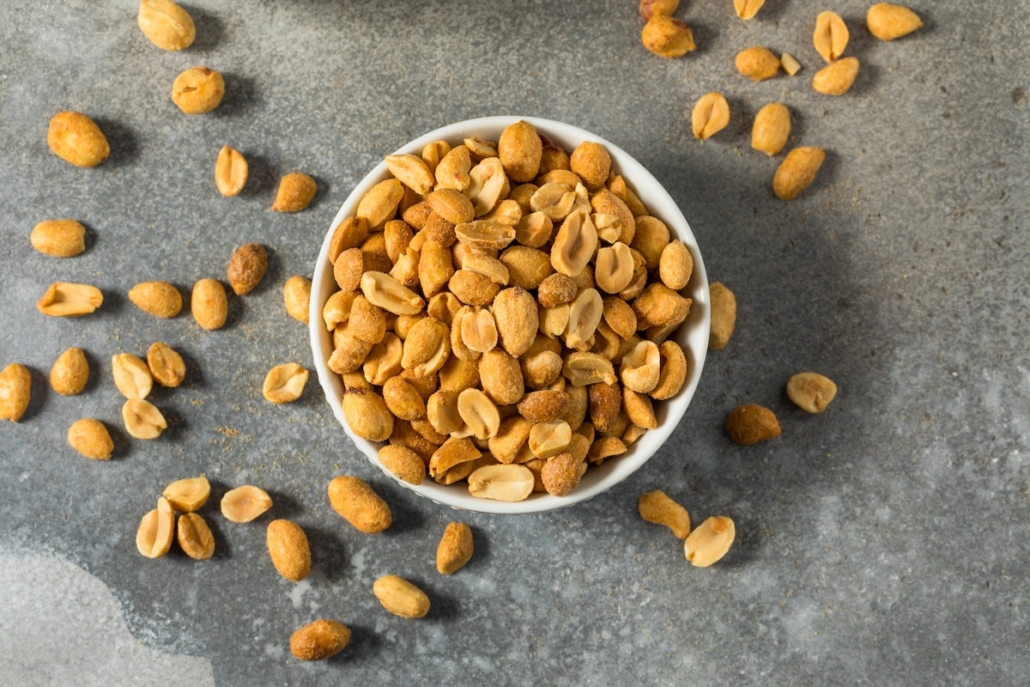
The Effects of Peanuts on Females: What Every Woman Should Know

Are peanuts good for women?
Peanuts may be small, but they pack quite a nutritional punch. Think of them as tiny but mighty. Along with protein and healthy fats, they offer fiber and a surprisingly useful collection of vitamins and minerals.
For a food that usually gets relegated to a snack bowl or a jar of peanut butter, peanuts have a lot more going for them. Here’s what women should know about their benefits, their connection to sexual health and a few reasons you might want to think twice before making them a daily habit.
View the list of all 10 of the Best Foods for Women’s Sexual Health
Why are peanuts good for women?
Peanuts earn their place among foods worth eating regularly because they pack a lot of nutrition into a small serving. They provide protein, unsaturated fats, fiber and important nutrients, including vitamin E, niacin, folate, magnesium and zinc.
Several of these nutrients are particularly relevant to women’s health. Folate is important for reproductive health; magnesium supports normal muscle and nerve function and vitamin E helps protect cells from oxidative stress. Peanuts also provide arginine, an amino acid the body uses to make nitric oxide, which helps regulate blood flow.
Nutrition
A one-ounce serving of salted, dry-roasted peanuts contains 164 calories and approximately:
6.6 g protein (13% DV)
2.2 mg vitamin E (11% DV)
3.8 mg niacin (19% DV)
40.6 mcg folate (10% DV)
49.3 mg magnesium (12% DV)
.9 mg zinc (6% DV)
What do peanuts do to a woman’s body?
The impressive combination of nutrients in peanuts can support several aspects of women’s health. Their potential benefits include cardiovascular health, circulation, sexual function, fertility and weight management.
Heart health and circulation
A healthy cardiovascular system is relevant to sexual function as well as overall health. Peanuts can be part of a diet that supports cardiovascular health, particularly when they replace snacks high in refined carbohydrates or saturated fat.
There’s some encouraging research behind this connection. A 2017 study published in the Journal of the American College of Cardiology, involving more than 210,000 people followed for up to 32 years, found that people who ate peanuts at least twice a week had a lower risk of cardiovascular disease than those who rarely or never ate them. The researchers found an association with a 13% lower risk of cardiovascular disease. The study doesn’t prove that peanuts alone prevent heart disease, but it gives us another reason to appreciate this everyday food.
Peanuts contribute to cardiovascular health in several ways:
Firstly, they’re a source of unsaturated fats. Replacing foods high in saturated fat with foods rich in unsaturated fats can help lower LDL cholesterol and support heart health.
Peanuts also contain arginine, an amino acid the body uses to make nitric oxide. This compound helps blood vessels relax and supports normal blood flow. Although this gives us a reason to be interested in peanuts’ potential benefits for circulation, it doesn’t establish that eating peanuts directly improves blood flow.
Peanuts also provide fiber. A one-ounce serving contains about 2.4 grams, and higher fiber intake is associated with reduced inflammation. Chronic inflammation has been linked to impaired circulation and sexual dysfunction, which can negatively affect both arousal and sexual function.
For women, healthy circulation matters to sexual response because increased blood flow to the clitoris and vaginal tissues is part of normal arousal. Cardiovascular health and sexual function are closely connected, and poor cardiovascular health has been linked to sexual dysfunction, including reduced arousal and vaginal dryness. This is not to say that peanuts specifically are a cure for female sexual dysfunction, but that they contain nutrients which are relevant to female sexual well-being.
Sexual health
Peanuts aren’t a magic libido food, but they provide nutrients that support sexual function and reproductive health. While eating peanuts hasn’t been shown to directly increase sexual desire, their nutritional benefits make them a worthwhile part of a diet that supports women’s sexual wellness.
Fertility
Peanuts provide folate, a B vitamin that is important for women’s reproductive health. Adequate folate intake before and during pregnancy helps prevent neural tube defects in developing fetuses and supports fetal health.
Folate may also have a connection to sexual function. One study of postmenopausal women found that increased folate intake significantly improved sexual function without adverse effects. Keep in mind that this study used supplementation rather than relying on food sources.
Heart health is also connected to fertility. Chronic conditions including obesity, diabetes and dyslipidemia can affect both cardiovascular and reproductive health.
Weight management
Peanuts combine protein, fiber and healthy fats, which can promote satiety and help reduce hunger between meals. Their relatively slow digestion can also help keep you feeling full longer.
A 2009 observational study found that women who regularly ate peanuts had a lower risk of long-term weight gain and obesity.
Maintaining a healthy weight can also support sexual health, since excess weight is associated with hormonal changes and sexual dysfunction.
Are boiled peanuts good for women?
Yes. Boiled peanuts can provide many of the same nutritional benefits as other forms of peanuts, including protein, fiber, healthy fats and important vitamins and minerals.
The main difference is preparation. Boiling changes the texture and can affect the amount of some nutrients, but boiled peanuts can still be a nutritious addition to a woman’s diet.
If you buy prepared boiled peanuts, pay attention to the sodium content, particularly if you eat them regularly.
Are peanuts and groundnuts the same thing?
In many contexts, yes, they’re the same. Peanuts are a type of groundnut, and the terms are commonly used interchangeably in many parts of the world.
The terminology can get confusing because “groundnut” may refer to other leguminous crops in some regions. If you see claims about the benefits of groundnuts, check the source to make sure it is referring to peanuts.
Are there side effects of peanuts for women?
Peanuts are generally safe for most women, but there are a few risks to consider.
Peanut allergy is the most serious risk. Peanuts are a common food allergen, and reactions can range from mild symptoms to severe, life-threatening anaphylaxis. Approximately 1.8% of adults have a peanut allergy.
Salted or flavored peanuts can also add significant amounts of sodium. If you eat peanuts regularly, choosing unsalted varieties can help keep your overall sodium intake in check.
In rare cases, peanuts grown or stored in humid conditions may be exposed to aflatoxin, a toxin produced by certain fungi. Food safety standards in the United States keep this risk low.
For most people, choosing unsalted peanuts and eating moderate portions make them a safe, nutrient-rich food.
How to incorporate peanuts into your diet
Peanuts and peanut butter are easy to work into meals and snacks. Add peanut butter to oatmeal, smoothies or sauces, use peanut flour in baking or enjoy a handful of peanuts between meals.
Peanuts make a satisfying, energy-boosting snack. You can also use peanut flour for baking or add peanut butter to oatmeal, smoothies or sauces. Eat Something Sexy nutrition director Delahna Flagg recommends consuming 1 to 1.5 ounces of peanuts per day for optimal benefits.
Storage tips
Peanuts can go rancid over time. The National Peanut Board recommends storing them in an airtight container in a cool, dry space. Once opened, they will start to lose freshness after about four weeks. Bagged, they can be stored in the refrigerator for 4-6 months.
Recipes
Shredded Veggie Chicken Bowl with Peanut Sauce
Spicy Peanut Vegan Sandwich Wrap
Chocolate-y Oats with Peanut Butter
 10 Best Foods For Women
Up Next: Strawberries
Edited by Delahna Flagg: This article was reviewed and additional research provided by Center for Mind-Body Medicine certified practitioner and Eat Something Sexy Nutrition Director Delahna Flagg.
Disclaimer: This article is for informational purposes only and may not be the best fit for you and your personal situation. It should not be construed as medical advice. The information and education provided here are not intended or implied to supplement or replace professional medical treatment, advice, and/or diagnosis. Always check with your own physician or medical professional. More information
This article was written in 2015 and most recently updated in September 2026 with an updated introduction and links.

Amy is considered a leading authority on aphrodisiacs. Her work in aphrodisiacs is quoted in publications including National Geographic, The New York Times, Epicurious, Wine Enthusiast, Health and Playboy magazines. She speaks internationally on aphrodisiac foods and has brought her knowledge of aphrodisiac history and science to national television shows including The Today Show and CBS Early Show. She is a frequent guest on relationship and lifestyle radio and podcast shows and has been interviewed by BBC and NPR radio, Cosmopolitan radio and popular podcasts including My Dad Wrote a Porno.
Amy is also a freelance food, wine and health researcher and writer as well as a wine competition judge. Her work has appeared in publications ranging from Variety to The Daily Meal. She is an MSN content provider. And she is also a former wine editor for Gayot.com and wine & spirits editor of Las Vegas magazine.
Fun fact: Amy was the creator of the first ever comprehensive food and wine apps, Amy Reiley's Pocket Gourmet and Amy Reiley's Pocket Vineyard for Palm.
- Does Champagne Get You Drunk Faster? - October 23, 2026
- 15 Minute Shaved Fennel Citrus Salad - October 19, 2026
- 4 Foods That Decrease Libido and Kill a Romantic Evening - October 17, 2026