Surprising Clam Benefits for Male Sexual Health

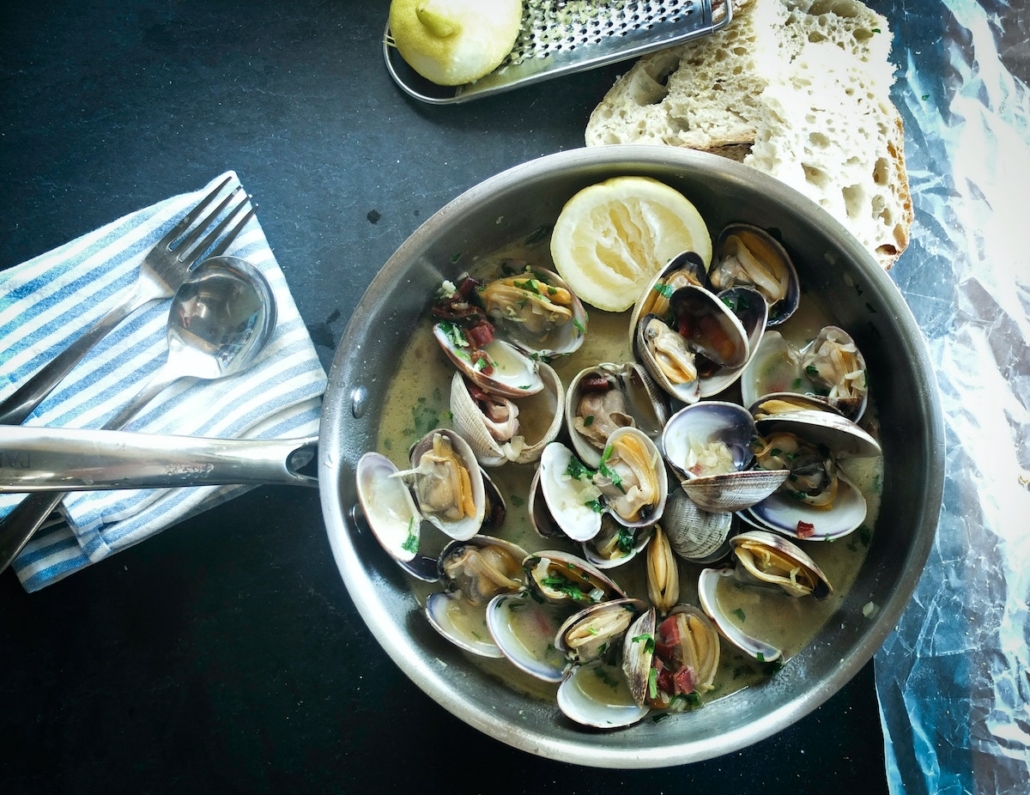
Clams aren’t just for hardy seafood fans. They can pack a health punch, especially for men. With nutrients that support energy, mood, sexual health and even the heart, clams deserve a prime spot in your diet.
View the list of all 10 Best Foods for Men’s Sexual Health
Are clams good for you? A nutrient snapshot
Clams are surprisingly dense in nutrients that matter for men’s health. A 3-ounce serving gives you an impressive range of vitamins and minerals, including:
- Vitamin B12: essential for energy and nervous system support
- Zinc: key for testosterone and sperm health
- Iron: oxygen delivery and stamina
- Magnesium and manganese: muscle and nerve function
- Phosphorus and potassium: bone, heart and circulation support
- Selenium and copper: antioxidant defense and thyroid health
The best clam benefits sexually for men
Clams offer more than just nutrition. They deliver nutrients directly tied to men’s sexual health.
- Zinc for testosterone and fertility: Clams are a source of zinc, a mineral linked to testosterone production and healthy sperm function. Adequate zinc helps maintain sex drive and reproductive health.
- Selenium for reproductive health: Selenium plays an important role in sperm motility and has been associated with improved libido.
- Thyroid support for hormones: Nutrients like iodine and selenium in clams regulate thyroid function, which in turn influences sex hormone production.
- Iron and circulation: Iron helps move oxygen through the blood, supporting endurance and sexual vitality. Better circulation means stronger overall function.
- D-Aspartic acid: This amino acid, found in clams and other shellfish, has been studied for its role in stimulating sex hormones. Research shows it may boost testosterone in some men, though it isn’t known if the dietary D-aspartic acid from clams or shellfish (as opposed to high-dose supplements) has a measurable impact on testosterone.
- Protein for performance: A 3-ounce serving of clams delivers almost 22 grams of protein, fuel your body can use to sustain the physical demands of sex.
Taken together, these nutrients create a food that supports both the biological and physical sides of male sexual health.
RELATED: The Aphrodisiac History of Clams
Clams for energy and mood
Sexual wellness isn’t just about hormones—it also depends on how much energy you have and whether you feel good mentally. Clams bring surprising benefits here, too.
Vitamin B12 for energy: Clams are one of the richest food sources of vitamin B12, a nutrient essential for red blood cell formation and nervous system function. Adequate B12 keeps fatigue at bay and supports steady energy levels.
Taurine for nervous system balance: Clams contain taurine, an amino acid that supports the nervous system, heart and muscle function—factors that contribute to overall vitality.
Protein for recovery and strength: Beyond performance in the bedroom, clam protein aids muscle recovery and helps sustain the physical strength needed for daily activity.
When you combine these energy and mood benefits with clams’ sexual health support, you get a food that works on multiple levels to keep a man in peak form.
Heart health and cholesterol
The question is often raised about clams and their cholesterol content, but the bigger picture shows they can actually support heart health.
Dietary cholesterol vs. saturated fat: A 3-ounce serving of clams contains around 67 mg of cholesterol, but almost no saturated fat. Research shows that saturated fat, not dietary cholesterol, has the greater impact on blood cholesterol levels. (If you already have high cholesterol, it is advised to talk with your doctor about how much shellfish you can safely eat.)
Omega-3 fatty acids: Clams supply omega-3s (EPA and DHA), which are linked with reduced inflammation, improved circulation and lower risk of heart disease.
Minerals for cardiovascular support: Potassium and magnesium in clams contribute to healthy blood pressure, while selenium acts as an antioxidant protecting blood vessels from oxidative damage.
Lean protein alternative to red meat: Choosing clams as a protein source instead of red meat reduces intake of saturated fat and calories, which supports long-term heart health.
The takeaway
When prepared in healthy ways—steamed, grilled, or baked rather than fried—clams can be a smart addition to a heart-healthy diet.
Cooking clams and food safety
Clams are versatile and cook in minutes, but like all shellfish, they require a little care.
Raw risk: Eating raw clams carries a chance of foodborne illness, particularly for people with weakened immune systems. Always check that clams are fresh—the shells should be tightly closed or shut when tapped.
Check before cooking: Always make sure clams are fresh. Their shells should be tightly closed or snap shut when tapped. Discard any that stay open or have an off odor before cooking
Quick-cooking options: Steaming in broth, wine or water is the classic method, but clams also shine when grilled, baked or added to seafood soups or stews and pasta dishes.
A note on fried clams: Breaded and fried versions are a New England favorite, but they add extra fat and calories. Enjoy them occasionally as a treat, while relying on lighter cooking methods most of the time
Handled properly, clams deliver rich flavor and nutrition without much fuss in the kitchen.
Here’s one of our favorite, flavorful clam recipes:
Clams, Mussels and Cockles with Green Cabbage and Coconut Curry
The bottom line on clams for men’s health
Clams aren’t just a flavorful seafood—they’re a nutrient-dense ally for men’s sexual health, energy, mood and heart wellness. Add them to your diet in simple, healthy preparations and you’ll get a food that works on multiple levels to keep you at your best.
Want to see how clams compare with other top foods for men?
Explore the full list: 10 Best Foods for Men’s Sexual Health
 10 Best Foods For Men
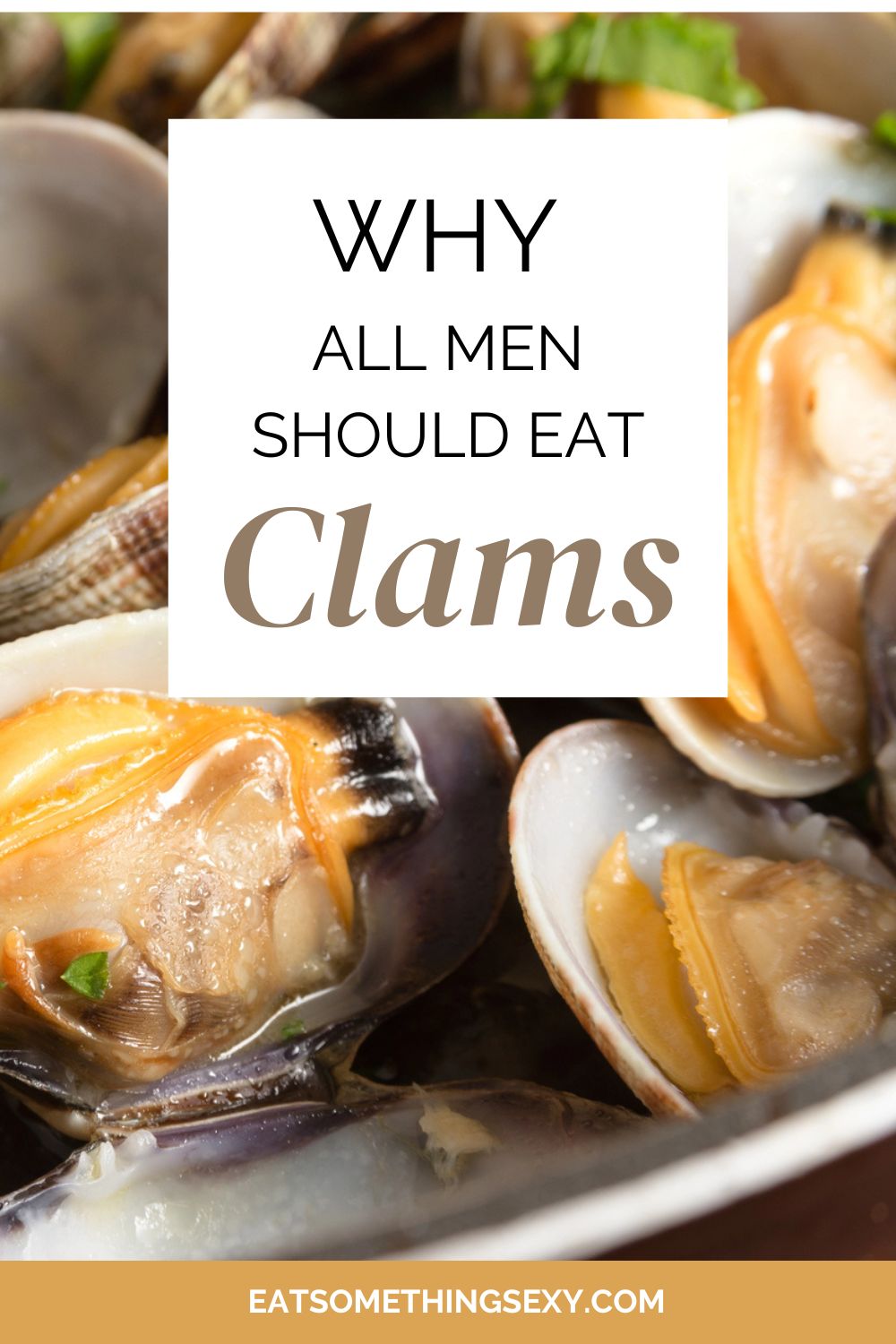
Up Next: Garlic
Edited by Delahna Flagg: This article was reviewed and additional research provided by Center for Mind-Body Medicine certified practitioner and Eat Something Sexy Nutrition Director Delahna Flagg.
Disclaimer: This article is for informational purposes only and may not be the best fit for you and your personal situation. It should not be construed as medical advice. The information and education provided here are not intended or implied to supplement or replace professional medical treatment, advice, and/or diagnosis. Always check with your own physician or medical professional. More information
This article was written in 2015 and most recently updated in September 2025 with a revised introduction and outline and updated sources.

Amy is considered a leading authority on aphrodisiacs. Her work in aphrodisiacs is quoted in publications including National Geographic, The New York Times, Epicurious, Wine Enthusiast, Health and Playboy magazines. She speaks internationally on aphrodisiac foods and has brought her knowledge of aphrodisiac history and science to national television shows including The Today Show and CBS Early Show. She is a frequent guest on relationship and lifestyle radio and podcast shows and has been interviewed by BBC and NPR radio, Cosmopolitan radio and popular podcasts including My Dad Wrote a Porno.
Amy is also a freelance food, wine and health researcher and writer as well as a wine competition judge. Her work has appeared in publications ranging from Variety to The Daily Meal. She is an MSN content provider. And she is also a former wine editor for Gayot.com and wine & spirits editor of Las Vegas magazine.
Fun fact: Amy was the creator of the first ever comprehensive food and wine apps, Amy Reiley's Pocket Gourmet and Amy Reiley's Pocket Vineyard for Palm.
- This Apple Pie Martini Tastes Like the Best Part of Apple Pie - September 30, 2026
- Are Almonds Good for Men? The Sexual Health Benefits You Should Know - September 29, 2026
- Oven Roasted Pork Loin With Pomegranate Butter and Roasted Vegetables - September 25, 2026