
Are Heirloom Eggs Better? Here’s What Makes Them Different

Pretty pastel shells, deep golden yolks and old-breed hens have given heirloom eggs an almost mythical reputation. But are they actually healthier or more flavorful than regular eggs?
Not exactly.
Heirloom eggs are nutritionally similar to conventional eggs, but they can offer something harder to measure: richer color, visual drama and a stronger connection to traditional farming.
What are heirloom eggs?
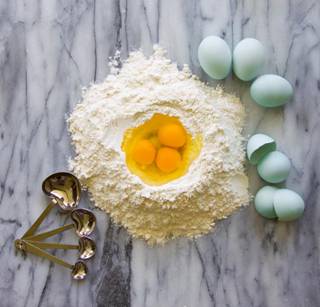
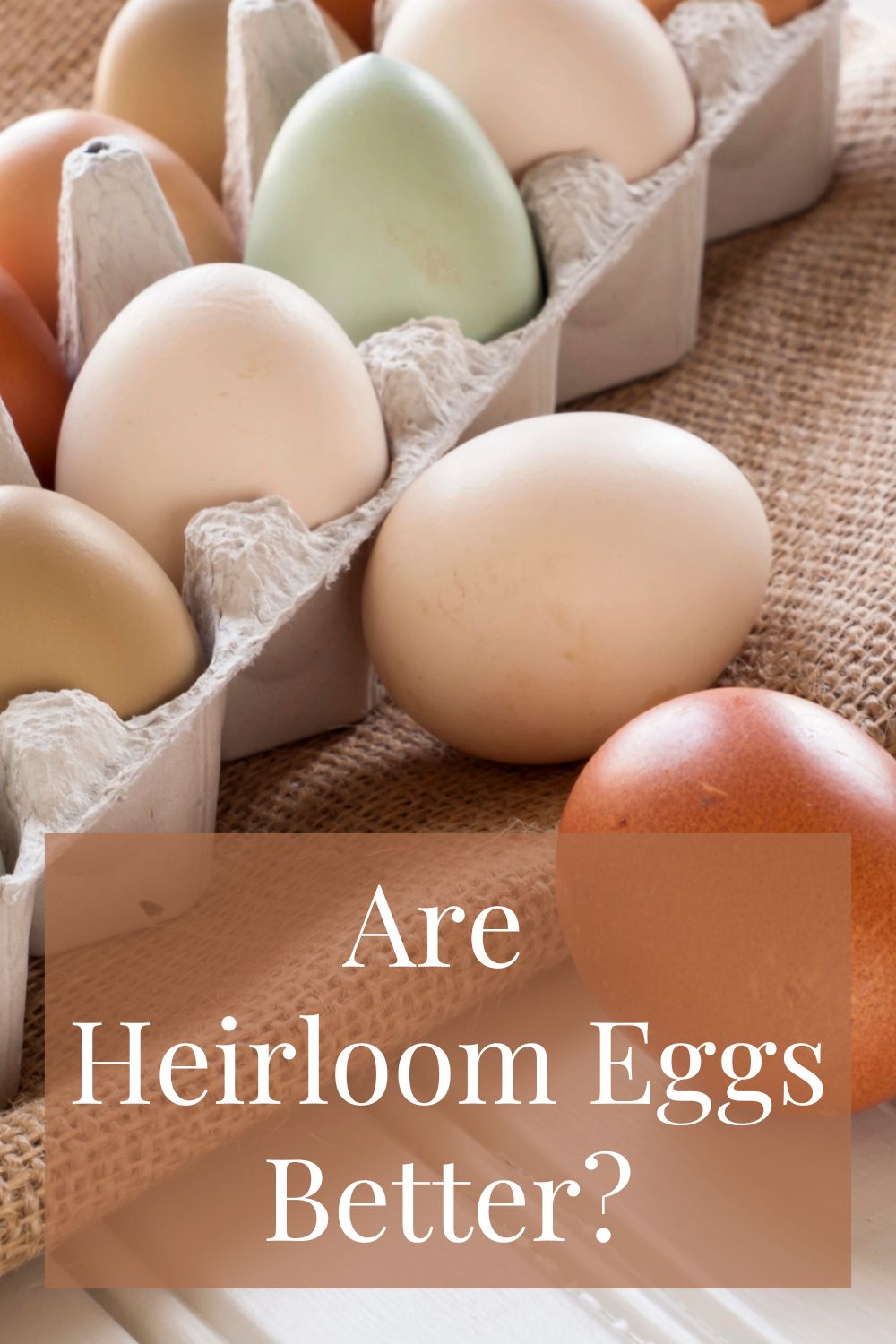
Heirloom eggs come from heritage breed chickens, meaning breeds that have not been industrially hybridized. You may also know them as heritage eggs. These eggs are often laid by pasture-raised hens and can come in a range of shell colors, including blue, green and even chocolate brown.
Heirloom vs pasture-raised vs organic eggs
These terms are often used interchangeably but they don’t mean the same thing.
Heirloom eggs refer to eggs from heritage chicken breeds, typically less industrialized breeds kept for traits like natural breeding, outdoor hardiness and slow growth. The term is often used for eggs from distinctive breeds; however, the term “heirloom” itself is not a strict legal definition for eggs.
Pasture-raised eggs describe how the chickens are raised. Hens are given outdoor access with room to roam and can forage naturally. It implies that the birds have a more natural environment than barn or cage-only birds.
Organic eggs refer to what the chickens are fed. In the U.S., this means raised under the USDA organic standards: they’re fed organic feed, are not given antibiotics or hormones routinely, and must have access to the outdoors while not being kept in cages.
So, an heirloom egg can be pasture-raised. It can also be organic. But it isn’t automatically either one.
This is where a lot of the confusion comes in. The label tells you one thing, not the whole story.
Heirloom eggs vs regular eggs
Conventional eggs are typically produced for consistency and efficiency, while heirloom eggs come from older heritage breeds often raised in smaller-scale systems. But the term ‘heirloom’ describes the breed, not necessarily how the hens are raised.
Which is better for cooking?
The eggs from heritage breeds of chickens tend to have thick shells and darker yolks than your average grocery store carton of eggs. Many chefs prefer using them in baking and feel that the thick yolks add to the texture of baked goods and that the whites whip with more fluffiness. They also give scrambled eggs and quiches a richer yellow color.
Do heirloom eggs taste different?
I’ve known people who insist that beautiful blue, pink and green heirloom eggs have a superior flavor. But this heirloom egg taste test by food authority J. Kenji Lopez-Alt tells a different story.
According to the author’s extensive tasting experiments, nobody, not even esteemed food writers, could tell the difference in flavor between an heirloom egg and your run-of-the-mill grocery store egg in a blind taste test.
Bottom line: Most people cannot taste a difference between heirloom and conventional eggs in blind tests.
Are they healthier?
I should start this debate by pointing out that all eggs are nutritious. They are a source of protein and offer several nutrients essential to a healthy sex life. So if you’re looking for food that’s good for sex, any egg, whether it’s white, brown or blue, is a good choice. (Don’t forget that eggs make my list of the 10 Best Foods for Women’s Sexual Health.)
But since heirloom eggs come from heritage breeds and are generally pasture-raised and well-fed, you might assume that they offer superior nutrition.
They don’t.
A carton of Vital Farms True Blues heritage eggs shows nutrition information nearly identical to conventional grocery store eggs.
Are heirloom eggs aphrodisiac?
All eggs are historically considered aphrodisiac. So, is there any reason to choose heirloom eggs over any other egg for a romantic meal?
Heirloom eggs might not be more nutritious or flavorful. But they can be more evocative.
Color plays a powerful role in how we experience food. Soft blue shells, speckled browns and rich golden yolks create a sense of rarity and intention before the first bite. That visual contrast can make even a simple dish feel elevated.
And when you’re cooking for connection, that matters.
A plate of softly scrambled eggs made from pale blue shells or a quiche with a deeply golden center doesn’t just taste good. It feels considered. It signals effort, attention and a desire to create something a little more special.
Perception can be part of what makes a meal feel more sensual.
Are they worth the price?
Heirloom eggs may not be superior in nutrition or flavor. But where they stand out is in the experience.
They often come from smaller farms, support genetic diversity and offer a visual appeal you simply don’t get from standard white or brown eggs. Deep golden yolks and shells in shades of blue, green and chocolate brown can make a meal feel more intentional.
So are they worth it?
If you care about sourcing, aesthetics or creating a more memorable meal, they may add just the right indulgence.
Where can you get heirloom eggs?
There are several brands of heirloom eggs, like Carol’s and Vital Farms, sold through specialty retailers. I recently ordered them for delivery through Instacart. In some markets, you can find them at major grocery chains like Safeway. You can also order Vital Farms True Blues on Amazon.
This article was written in 2012 and most recently updated in April 2026 with a new introduction and additional research.


Amy is considered a leading authority on aphrodisiacs. Her work in aphrodisiacs is quoted in publications including National Geographic, The New York Times, Epicurious, Wine Enthusiast, Health and Playboy magazines. She speaks internationally on aphrodisiac foods and has brought her knowledge of aphrodisiac history and science to national television shows including The Today Show and CBS Early Show. She is a frequent guest on relationship and lifestyle radio and podcast shows and has been interviewed by BBC and NPR radio, Cosmopolitan radio and popular podcasts including My Dad Wrote a Porno.
Amy is also a freelance food, wine and health researcher and writer as well as a wine competition judge. Her work has appeared in publications ranging from Variety to The Daily Meal. She is an MSN content provider. And she is also a former wine editor for Gayot.com and wine & spirits editor of Las Vegas magazine.
Fun fact: Amy was the creator of the first ever comprehensive food and wine apps, Amy Reiley's Pocket Gourmet and Amy Reiley's Pocket Vineyard for Palm.
- What Is Absinthe? The Truth About the Green Fairy - October 3, 2026
- This Apple Pie Martini Tastes Like the Best Part of Apple Pie - September 30, 2026
- Are Almonds Good for Men? The Sexual Health Benefits You Should Know - September 29, 2026




You make a good point that there are mo hormones for American egg hens and the word hormone should not have been used in the article. It has since been removed. However, antibiotics refer to antibiotics given to the hens, which although isn’t necessarily a common practice, does occur. And raising animals antibiotic-free is better for the planet and worth mentioning.
ugh, chickens breed for their eggs at least in the U.S are NOT given antibiotics or hormones. Just like gmo wheat is not allowed but companies will use a non-gmo certification as a selling point for misinformed customers reading misinformed articles like this one.