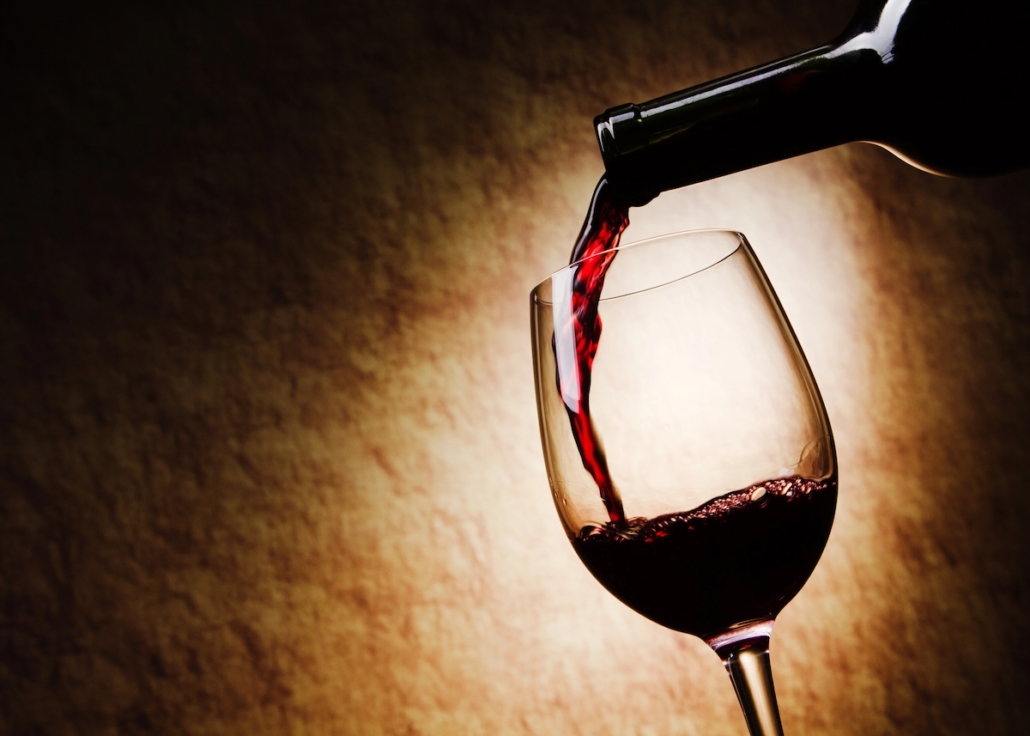
Wine and Men’s Sexual Health

Wine has long held a place in the language of romance, but its impact on men’s sexual health is often misunderstood. While it’s frequently associated with relaxation and intimacy, the relationship between wine and male sexual function is more nuanced than popular culture suggests.
Sexual health is closely tied to factors such as circulation, hormone balance, and overall cardiovascular wellbeing. This is where moderate wine consumption comes into consideration, not as a cure or shortcut but as one potential influence among many.
Before you pour another glass with expectations in mind, it’s worth looking more closely at what wine can and cannot do for your sex life.
While wine is sometimes discussed in terms of aphrodisiac qualities, its effects in men are more closely tied to physiological pathways such as circulation and relaxation rather than specific varieties or best choices.
The potential benefits of resveratrol
Much of the interest in wine’s potential health benefits centers on resveratrol, a naturally occurring compound found in grape skins and seeds. Resveratrol has been studied for its role in supporting cardiovascular health, particularly through its effects on circulation and blood vessel function. Because resveratrol is concentrated in grape skins, it is typically found in higher amounts in red wines and in sparkling wines made with extended skin contact.
Healthy blood flow is essential to male sexual function, and some research suggests that resveratrol may help support vascular flexibility and nitric oxide production, both of which play a role in circulation. These effects are often cited as a possible link between moderate wine consumption and sexual health.
Resveratrol has also been explored for its antioxidant and anti-inflammatory properties. This may not directly impact men’s sexual health, but it may contribute to overall wellness and long-term cardiovascular support. While research into resveratrol’s broader effects, including cognitive health, is ongoing, its most relevant benefits in this context relate to circulation and vascular health.
As with much of the research on wine, studies on resveratrol are still evolving, and potential benefits are best considered within the context of moderate consumption.
Are wine’s aromas arousing?
And while it may not improve your sexual health, the aromas in wine may have the potential to improve your sex life. In the 1990s, Dr. Max Lake, an Australian vintner and physician, studied the aromatic compounds in wine in great depth, discovering that many replicate the scents of human pheromones.
Although there have been no follow-up studies to substantiate Dr. Lake’s findings, it does appear that wine may even be a turn-on before you take a sip.
Can wine increase sex drive?
A 2009 study linked wine consumption with increased sex drive in women. I could not find strong evidence linking wine aromas to male sexual desire beyond Lake’s observations, though individual responses may vary.
For a broader look at wine as an aphrodisiac, see The Benefits of Red Wine Sexually.
For how wine influences female sexual response, see The Benefits of Wine for Women.
Side effects of drinking wine
Please be aware that alcohol consumption, including red wine, is not appropriate for everyone.
Excessive intake of alcohol has been associated with an increased risk of:
- Liver and pancreatic disease
- Stroke
- Certain types of cancer
- Weight gain and obesity
Alcohol consumption may also be inadvisable for individuals with a personal or family history of alcohol use disorder or those with existing liver disease.
If you are considering initiating or increasing your consumption of red wine, it is recommended that you consult a qualified healthcare professional for personalized medical guidance.
View the list of the 10 Best Foods for Men’s Sexual Health
Edited by Delahna Flagg: This article was reviewed and additional research provided by Center for Mind-Body Medicine certified practitioner and Eat Something Sexy Nutrition Director Delahna Flagg.
Disclaimer: Please note that the information provided in this article is intended for informational purposes only. It is important to consult your physician before making dietary changes.
This article was written in 2014 and most recently updated in September 2021.


Amy is considered a leading authority on aphrodisiacs. Her work in aphrodisiacs is quoted in publications including National Geographic, The New York Times, Epicurious, Wine Enthusiast, Health and Playboy magazines. She speaks internationally on aphrodisiac foods and has brought her knowledge of aphrodisiac history and science to national television shows including The Today Show and CBS Early Show. She is a frequent guest on relationship and lifestyle radio and podcast shows and has been interviewed by BBC and NPR radio, Cosmopolitan radio and popular podcasts including My Dad Wrote a Porno.
Amy is also a freelance food, wine and health researcher and writer as well as a wine competition judge. Her work has appeared in publications ranging from Variety to The Daily Meal. She is an MSN content provider. And she is also a former wine editor for Gayot.com and wine & spirits editor of Las Vegas magazine.
Fun fact: Amy was the creator of the first ever comprehensive food and wine apps, Amy Reiley's Pocket Gourmet and Amy Reiley's Pocket Vineyard for Palm.
- My Favorite Rotisserie Chicken Rice Bowl with Homemade Peanut Sauce - October 13, 2026
- What Is Absinthe? The Truth About the Green Fairy - October 3, 2026
- This Apple Pie Martini Tastes Like the Best Part of Apple Pie - September 30, 2026