
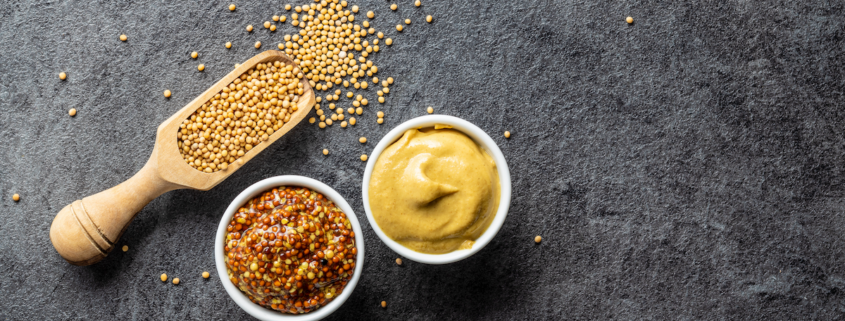
Mustrad Benefits: from ancient aphrodisiac to modern science
Mustard has a long history as an aphrodisiac, particularly in European culture, where it was believed to enhance sexual vigor. But there’s more to mustard than folklore—science backs up its benefits for circulation, hormone balance and even sexual performance.
From ancient Greece to traditional Chinese medicine, mustard was valued not just for its pungent flavor but for its ability to stimulate the body, increase blood flow, and of course stimulate the tastebuds. Today, research continues to explore its effects on energy, libido, and even testosterone levels.
So what makes mustard such a powerful spice for sexual health? Let’s take a closer look at its aphrodisiac reputation, its unique physiological effects, and the nutrients that make it an unexpected ally in the bedroom.
What makes mustard an aphrodisiac?
The ancient Greeks were the first people that we know of to use mustard in medical applications.(Interestingly, mustard seeds were found in Egyptian tombs, indicating that the Egyptians enjoyed the pungent flavoring. And perhaps they also used the seeds in medicinal applications although we have no proof of the spice’s actual use in ancient Egyptian culture.)
But it was the Greeks who were the first to document the spice’s ability to increase circulation. And good circulation leads to good sex. That may be why this spice was regarded as a sexual aid throughout most of European history.
In fact, in the Middle Ages, monks were not permitted to ingest the yellow spice. It was believed to lead the men of God down the path to temptation.
In traditional Chinese medicine
And on the other side of the world in China, the mustard seed was also embraced for medicinal purposes. But in the East, this intense spice was considered an aphrodisiac for its heat in the mouth and ability, when ingested in large enough doses, to warm the body as well.
Known aphrodisiac effects
And as it turns out, the Chinese were really on the right track.
Mustard’s intense, spicy flavor can, according to The Stress-Eating Cure
What are mustard seeds vs prepared mustard?
You might be wondering if the mustard I’m referring to is the tiny, round seed of a mustard plant. Or, when I talk about the use of mustard in history, does that include the stuff we spread on bread, also called prepared mustard?
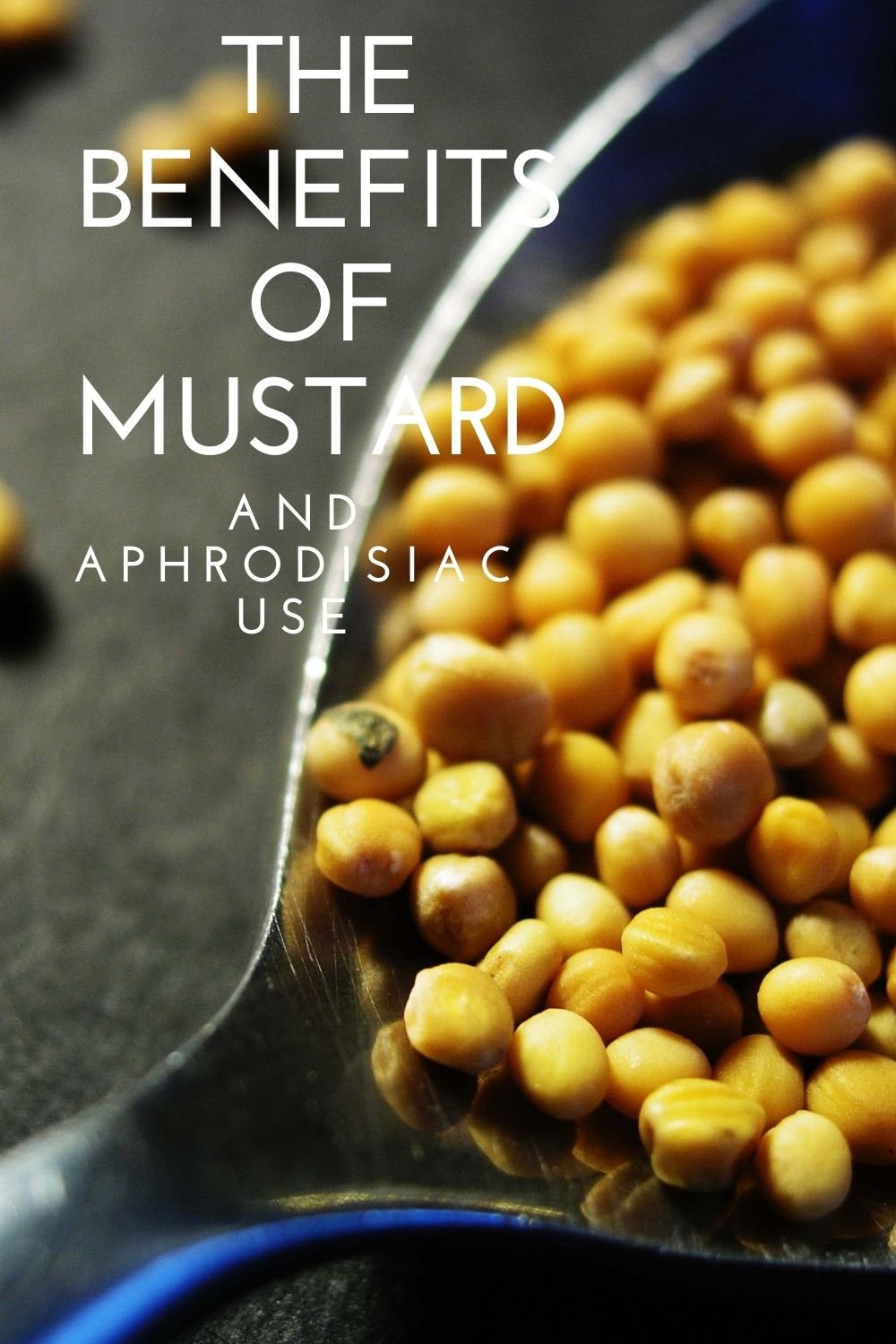
Mustard seeds aren’t frequently used in Western cooking, but the plants do grow in Europe and the United States. The seeds are more likely to appear in recipes from India and neighboring parts of Southeast Asia.
Prepared mustard, on the other hand, is one of the most popular condiments in the world. It is made by blending powdered mustard seeds with other ingredients, such as water, vinegar, wine, salt and other spices, to prepare a smooth, pungent yellow paste.
Throughout much of European history, it was likely the condiment form of mustard that was considered an aphrodisiac. Even when blended with other ingredients, mustard retains compounds that support both sexual and overall health.
Mustard benefits to health
Mustard’s heat and pungency made it a historic aphrodisiac, but its real power lies in its nutrients. This spice is packed with compounds that support sexual health, including key nutrients that enhance men’s libido and performance. Let’s take a closer look.
Mustard benefits for men
Mustard seed is a source of selenium, magnesium and omega-3 fatty acids, all essential for maintaining sexual health.
It is also a source of manganese, zinc and dietary fiber, which are also considered essential to sexual health for both men and women. Zinc benefits for men include supporting healthy testosterone levels and enhancing sexual function. However, nutrients like manganese and zinc are deemed extremely important to men when it comes to maintaining their performance in the bedroom.
The mustard testosterone link
According to Nursing Times, a 2011 study researched a possible link between mustard and testosterone. Lab research, (first on rat cells than on live rats), investigated whether a plant-derived steroid, 28-homobrassinolide [HB], found in mustard could stimulate protein synthesis similarly to anabolic steroids, which mimic the activity of male hormones, including testosterone. (But without the negative side effects.)
The conclusion was that this plant-derived steroid appeared to increase lean body mass and strength. However, HB only caused a minimal increase in testosterone activity. Since the use of HB was equally effective on castrated rats, the natural conclusion is that this plant steroid works in a very different way than anabolic steroids.
So if you’re looking to increase muscle mass, mustard may be your fuel. But if you just need testosterone, you better look to ingredients recognized for increasing testosterone production, like oats.
Some of my favorite recipes with mustard
The Best Tarragon Chicken Salad
Massaged Kale Salad with Cranberries and Persimmons
Scallops Grilled with Hazelnut Butter
Discover more of the world’s greatest aphrodisiac foods
This article was written in 2010 and most recently updated in February 2025 with updated images and revised introduction.
Disclaimer: This article is for informational purposes only and may not be the best fit for you and your personal situation. It should not be construed as medical advice. The information and education provided here are not intended or implied to supplement or replace professional medical treatment, advice, and/or diagnosis. Always check with your own physician or medical professional. More information

Amy is considered a leading authority on aphrodisiacs. Her work in aphrodisiacs is quoted in publications including National Geographic, The New York Times, Epicurious, Wine Enthusiast, Health and Playboy magazines. She speaks internationally on aphrodisiac foods and has brought her knowledge of aphrodisiac history and science to national television shows including The Today Show and CBS Early Show. She is a frequent guest on relationship and lifestyle radio and podcast shows and has been interviewed by BBC and NPR radio, Cosmopolitan radio and popular podcasts including My Dad Wrote a Porno.
Amy is also a freelance food, wine and health researcher and writer as well as a wine competition judge. Her work has appeared in publications ranging from Variety to The Daily Meal. She is an MSN content provider. And she is also a former wine editor for Gayot.com and wine & spirits editor of Las Vegas magazine.
Fun fact: Amy was the creator of the first ever comprehensive food and wine apps, Amy Reiley's Pocket Gourmet and Amy Reiley's Pocket Vineyard for Palm.
- Crème Fraîche Frosting: A Tangy, Not-Too-Sweet Alternative to Buttercream - May 20, 2026
- Benefits of Red and White Wine for Women’s Sexual Health - April 18, 2026
- How to Choose the Best Truffle Oil (And Why Most Fall Short) - April 8, 2026


Leave a Reply
Want to join the discussion?Feel free to contribute!